All Categories
Featured
Table of Contents
Reviews and user-generated material aid here, too. Item Q&A can address objections that your base copy misses. UGC requires governance: prevent spam, moderate claims, and make sure review markup reflects visible reviews.

A little store might have a few hundred essential URLs. A large shop can create countless crawlable combinations as soon as filters, sorting, pagination, internal search, variations, and parameters are live. Google's crawl budget guidance is mainly for big or often updated sites, however the principles matter for any growing brochure.
Keep sitemaps existing. Return correct 404 or 410 status codes for completely removed pages. Faceted navigation deserves special attention.
How to Use New Data for Better ROI
If some filtered pages need to rank, make those options intentionally. Typical control choices include: Which filters are worthy of indexable landing pages. Which specification mixes need to be crawlable, canonicalized, obstructed, or managed with pieces. Whether empty filter mixes return a real 404 instead of a soft 404. How pagination and unlimited scroll expose crawlable product links.
How variations combine or different based on search need. How terminated and out-of-stock URLs are dealt with. Take care with noindex as a crawl-budget tool. Google still requires to crawl the page before seeing the regulation. For large low-value URL sets,, URL style, canonical consolidation, and internal-link controls might be better suited depending on the situation.
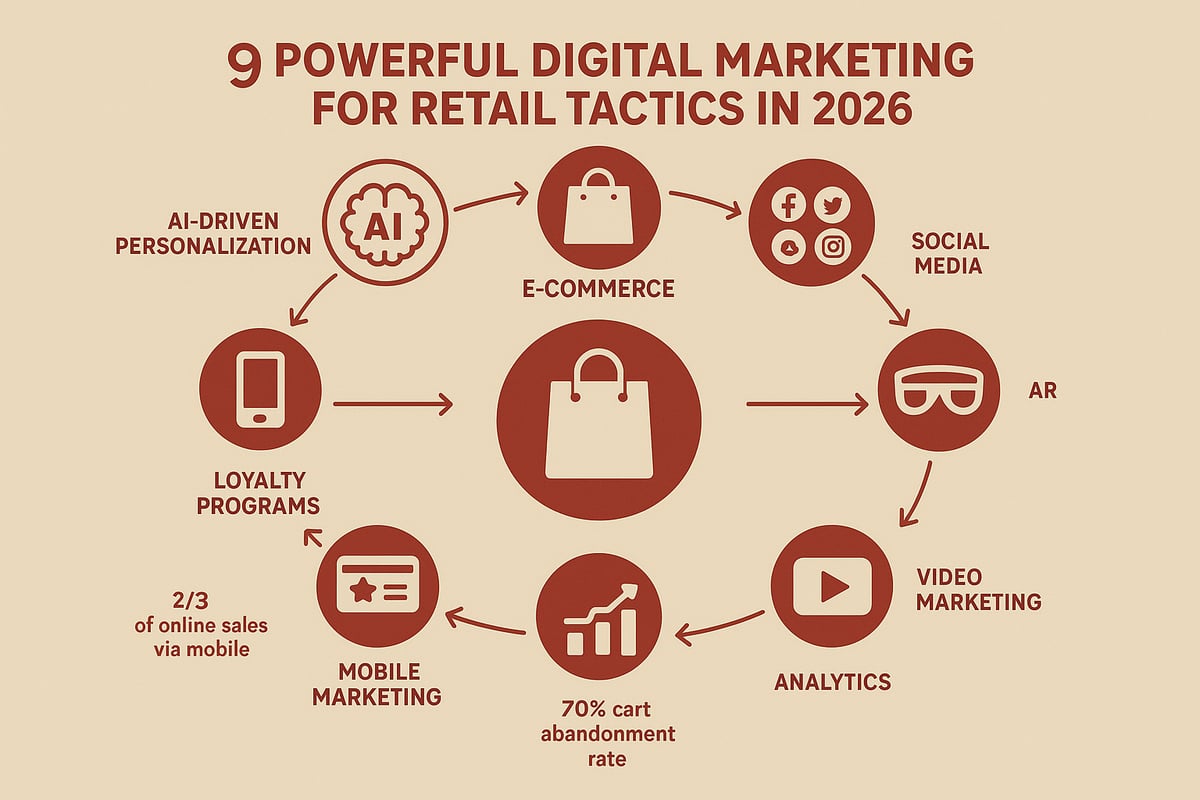
The exact same SEO suggestion can have a various execution path depending upon the platform. That is why SEO for eCommerce websites need to account for CMS, theme, app stack, checkout design, feed setup, and developer workflow. Shopify SEO frequently involves collection architecture, theme speed, app bloat, product variations, replicate collection/product courses, faceted apps, and Shopify Plus workflow limits.
Modern Strategies for Identification in 2026Magento SEO and Adobe Commerce work frequently focuses on layered navigation, indexation guidelines, canonical handling, URL rewrites, classification depth, efficiency, and developer-backed design template changes. BigCommerce SEO work typically includes classification structure, faceted URL behavior, product options, theme performance, checkout constraints, and feed accuracy. Custom platforms can be outstanding or agonizing.
For eCommerce, the 2 need to not be separated. Look at category-grid habits, product-page trust, evaluation visibility, shipping and return clarity, add-to-cart friction, checkout actions, payment choices, website search, item suggestions, and retailing tests. A ranking improvement is more important when the page converts.
The Future of Social Ads Strategies
Product video can help, especially when it is original and useful. Presentations, sizing descriptions, installation guidance, comparison clips, and product walkthroughs can make a page more valuable. Just keep efficiency in mind. Lazy load embeds, secure the main product content, and avoid letting video scripts decrease the design template. Mobile stays central due to the fact that lots of shopping journeys start or finish on a phone.
Speed becomes part of that experience. Google's Core Web Vitals assistance advises LCP within 2.5 seconds, INP under 200 milliseconds, and CLS under 0.1. For shops, measure the templates that matter: classification, item, search, cart-adjacent, and content pages. The homepage rating alone will not inform you whether buyers are waiting on product images, reviews, personalization scripts, or third-party apps.
Modern Strategies for Identification in 2026Keep that guideline. Item lifecycle choices impact rankings, links, user experience, and earnings. If a product is momentarily out of stock, keep the page live, show the status clearly, maintain schema accuracy, and deal e-mail signals or associated items. If an item is completely stopped but has traffic, links, or need, decide whether to keep the page as a terminated product resource, redirect to the closest replacement, or path to the most pertinent category.
Data-Driven User Lifecycle Tactics for 2026
For seasonal products, strategy before need returns. Update copy, accessibility, internal links, schema, and material before the season peaks. For variations, do not let every color or size end up being a thin orphan unless search need justifies separate pages. Lifecycle guidelines should be documented. Otherwise, retailing, development, and SEO teams will solve the same issue differently monthly.
Generic guest posts and low-quality directories are not a resilient technique. Better link earning often originates from helpful possessions: information research studies, calculators, fitment tools, size guides, industry resources, original photography, buying guides, trend reports, expert commentary, collaborations, and digital PR campaigns. For a store with a technical line of product, a compatibility resource may earn better links than a generic post.

Latest Posts
Effective Content Marketing for Online Shops
Top Social Ads to Always Watch in 2026
Scaling Ecommerce SEO Performance for Revenue